Throughout the last few years, people from all over the world have begun to question real meaning of success. Once long working hours, being constantly busy, and financial growth alone were considered as the only signs of success. But gradually, and largely after worldwide health problems, people’s priorities have changed. Now people are posing such a significant question: Does the work overload make our lives? This is the point at which the concept of work life balance turns out to be extremely significant.
Work-life balance is considered to be one of the most important things for human mental health, physical health and emotional stability. The year 2025 shows so many countries that still have this problem and they are actively creating the systems that can help the staff to work efficiently and have a personal life at the same time.
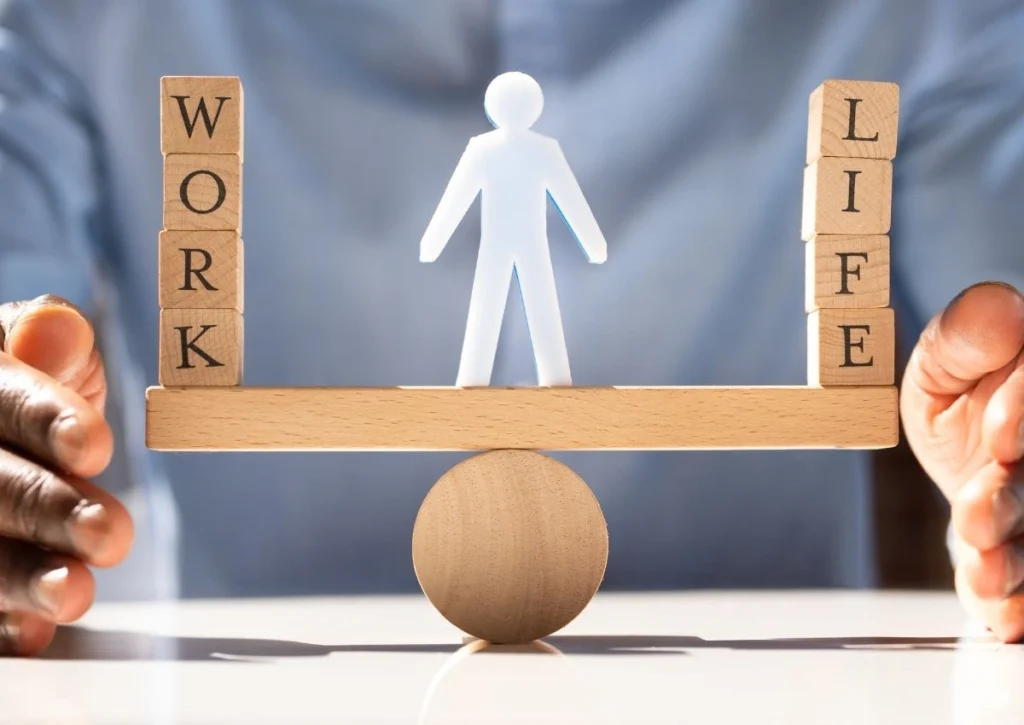
Work life balance involves far more than only the limitation of work hours. It is a matter of living life to the fullest with family, friends, and hobbies. Moreover, job security, flexible working hours , healthcare access, paid leave and mental health support can all be included under work life balance.Countries that focus on these issues are leading to a situation where their citizens do not get tired all the time or feel under pressure. Instead of that, they get support , encouragement, and respect. These countries demonstrate that work life balance is a global direction towards a healthy work life balance in 2025 thereby productivity and well being can coexist.
Why Work Life Balance is More Important Than Ever in 2025
Human lifestyle has been transformed dramatically. Work enters the personal space due to remote work, use of digital tools, and being always connected. Even if there are office hours, sometimes emails, messages, and deadlines keep us busy. This ambiguity of the limits between work and life has caused burnout, stress related illnesses, anxiety, and a general mood of unhappiness.Countries that accept this situation have implemented various measures to safeguard their workers.
Nordic Countries and Their Strong Work Life Balance Culture
The Nordic countries have been high up on the list of those with the best work-life balance for a long time, and even in 2025, they are still at the top . These can be said of the five Nordic countries of Denmark, Sweden, Norway, Finland, and Iceland, which are recognized for their people-first approach. In these countries, the employees who do long hours are not considered as hardworking but are thought as lacking good time management skills.
Denmark, for instance, provides moderate working hours, solid labor laws, a lot of parental leave, and different types of work options. The employees are urged to leave work at the right time and thereby have the evening hours with the family or friends. The culture accentuates the concept of trust, employers trust that employees will be able to handle their work without continuous followup.
Work life Balance is less a concept and more a reality in a country like Sweden. There is very little resistance to implementing work hours that are flexible or granting paid parental leaves for longer durations. The Employers are allowed to take breaks during the working hours and also go on vacation. Mental health is given the highest priority, and steps are taken to prevent burnout through unbureaucratic help structures.
The Finnish are striving to be efficient workers instead of long hours workers. They have less working hours than other countries but still they are highly productive. Education, healthcare, and workplace polices are all intertwined to provide total lifecare service to the people. This agreement makes the Finns capable of having a tranquil personal life while still being able to keep up with their professional career.
Netherlands: Redefining Work Hours
By 2025, The Netherlands has become a model for the world of how life should come first and work should follow . There are many workers who in the Netherlands work part time because this is their preference.This work arrangement gives people the freedom to follow their family or solo interests as well as take care of themselves.
The work edition in Dutch company is supportive towards the happiness and sense of safety of employees. The employees get full labor rights, are entitled to take a vacation, and are also covered by good quality health care. Everyone is convinced that each person is a being outside the professional area, and this cultural paradigm plays the biggest share in maintaining good work life balance in Dutch society. Consequently, people feel less pressured and have a higher standard of life.
Germany: Structured Work with Clear Boundaries
Germany has brought about positive changes in the quality of work life in the country over the past few years and can claim high ranks in 2025. Some of the major features of German work culture are structure, clarity, and forethought which are highly esteemed. The workers are mostly observed to have fixed working hours and usually the overtime is strictly controlled.
One of the most visible points of the German system when it comes to work-life balance is the distinctly-defined border between office hours and time for other activities. Workers who are off-the-clock most likely will not get a request to attend to work emails or calls. Employment-related rules serve as a shield against overwork, and paid leave is given due attention. This kind of organization helps people be mentally refreshed and less prone to burnout in the long run.
France: Protecting Personal Time
France has always put its money on the quality of life and is still one of the countries that offer a strong work life balance in the year 2025. The jabs in France are regulated by law to demanding that they should be fewer in number and that paid vacations should be given generously. The employers are highly encouraged to spend their time in leisure, cultural, and family activities.
In support of the “right to disconnect,” France also enables workers to be free from work communications during non working hours. The rule plays a major part in preserving work life harmony, particularly in the case of technologically united environment. By giving respect to one’s free time, the French work culture becomes one of the enablers of emotional health and long term output.
New Zealand: Balance Through Simplicity
New Zealand has become famous worldwide for its commitment to well being. In 2025 , it retains its attitude by introducing laws aimed at improving people’s psychological health, offering more flexibility in work, and supporting family time. The nation is a model of the equilibrium lifestyle, but it does not forget that work still plays an essential role.
Flexible working hours and work from home are allowed in numerous companies in New Zealand. People are very much connected to nature and the outdoors as well as the local community. This strong bond with nature is a good stress reliever and a means to emotional stability. Consequently, work life Balance seems more like an inherent trait than one that is imposed.
Canada: Supporting Flexible and Inclusive Work Culture
Moreover, Canada has become a beacon of work life balance in 2025. Through its employee friendly regulations, healthcare system, and non discriminatory work environment, Canada empowers people to take care of their own balance . Employees are provided with many options to work flexibly and a wide range of family friendly policies are implemented.
Companies in Canada are aware that the workers’ good performance is the result of their security and respect. Talking about mental health issues has become common practice, and burnout is really taken into consideration. Such a supportive environment is the key to people’s successful balancing of work and life as well as growth in their careers.
Spain: Embracing Life Beyond Work
Spain has been long recognized for its cultural values that are mainly based on the enjoyment of life, human relations, and rest . Over the last few years, the country had begun reforming its labor system to enhance work life balance. By 2025 , the majority of people have adapted to the reduced working hours and the flexibility of their schedules.
The Spanish way of life is centered on the social aspect, following the tradition of long lasting meals and rest, which are all factors favoring Work life Balance. Although work is still significant, people are allowed to decelerate and relish the ordinary moments. Such a cultural concept helps people to reduce their stress levels and emotional wellbeing gets strengthened.
Australia: Encouraging Balanced Productivity
In 2025, Australia can’t be beaten for its work-life balance offerings. This is largely due to the country’s strong labor laws, social security system, and the various measures promoting paid leave. The Australian work culture is characterised by the desire to end work at the usual time and to give preference to family and personal activities.
Measures that are being frequently implemented by employers to ensure employees’ balance and productivity include freedom in work location and time. Outdoor living, being physically active, and socializing have become an integral part of people’s lives, thus, they are able to manage their stress.
Common Factors Behind Countries with Best Work Life Balance
Culturally, these countries are poles apart but still have quite a few similarities in terms of values. First of all, they honor the leisure time of their employees and at the same time assure career stability. They insist on keeping the working hours within a reasonable limit and at the same time ensure access to healthcare and other social services. These countries know that individuals are not just workers.
Also check:- Summer Fashion for Men 2025: 10 Trends You Need to Know
Strong work life balance cannot be achieved through one policy alone. It comes as a result of a mix of government laws, workplace culture, social acceptance, and individual awareness. What these nations demonstrate is that when the equilibrium is taken care of, society becomes more healthy and happier.
The Connection Between Work Life Balance and Health
Countries that emphasize work life balance tend to have healthier populations. People lower their stress levels, have a better sleep, and their mental health improves . There are fewer chronic diseases caused by stress, and the healthcare systems become less pressured. On top of that, balanced living brings more happiness in relationships , better parenting and stronger community bonds.Children watch how their parents set healthy boundaries between work and home, which influences the next generations positively.