With the rise of the eco-conscious consumer, sustainability has become the new buzzword in the skin-care industry. With there being few to no legal definitions of terms like eco-friendly, green, or sustainable, companies slap labels on their products to fool people into buying skin-care products that they might not use otherwise. This is why many are demanding stricter regulations against the use of such terms.
A popular term in the sustainability movement is “low-waste”, which means living by generating the least amount of waste possible, inspired by the perfectionist zero-waste movement, which was criticised for causing alienation and focusing too much on only one aspect aka packaging instead of the life cycle of a product and usage and value to consumers.
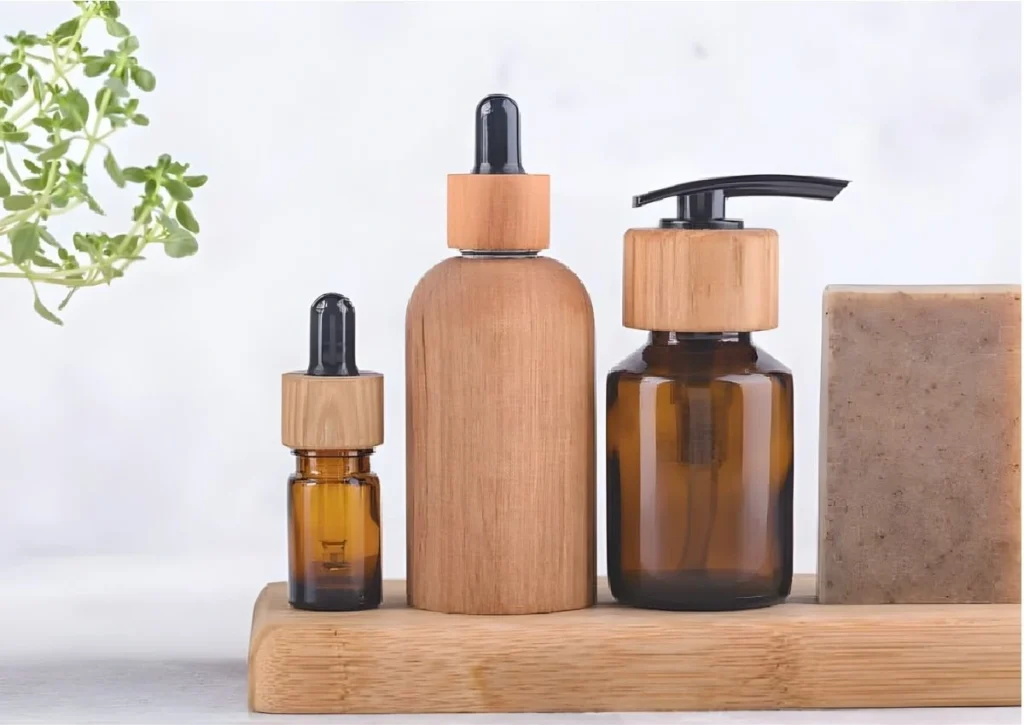
In skincare and beauty, low-waste would mean switching from shampoo bottles to shampoo bars, from lotions to cream bars and DIY oils, and more which reduces packaging waste. As mentioned, that is a narrow definition of sustainability, since it does not take into account the lifecycle of the product but only something that makes up 10% of it. Keeping this in mind, here are our top three recommendations for sustainable skincare beyond low-waste swaps-
- Use what you have- before it expires
While the underconsumption trend showed some people using expired makeup, that faced significant backlash. Yet, Project Pan or the “trend” of using your skin care and makeup items till you hit the pan aka finish the item is catching on, to the joy of sustainability advocates. Some even talk of cutting up tubes to get more product out of them, an idea 90s Indian mums have ingrained in their children long before YouTube made it popular.
Also check:- Sif Joins the Pantheon as God of War Series Expands Its Mythic Cast
- What to do with those plastic tea bags after you are done making your tea? Use them as a replacement eye cream!
Research has shown that tea has antioxidants that are good for the skin. Furthermore, tea and coffee have caffeine, which is a vasoconstrictor and helps de-puff the eyes by constricting blood vessels in that area and making redness less apparent. While it does not replace your skincare, it is a low-cost solution that helps make use of what you have at home. Just ensure that your doctor approves of this, and do not rub coffee products that cause microtears into your skin.
3. Reusable Cotton Pads
Why waste cotton, a cash crop whose environmental footprint is often in debate, every time you want a cleanse or need to take off your makeup? A nice micro-fibre towel that can be found in your drawers and washed in your washing machine does the job just as well, even if some are against microfibre clothing because it can be polluting in other ways than land and water usage. Hence, others recommend bamboo towels but even bamboo fabric can require chemicals to be made and isn’t always eco-friendly.
Perhaps the best thing you can do pick reusable cotton pads, which can be thrown in the wash and save the planet a lot of grief! Or do as many climate influencers have, and take an old cotton tee and cut reusable rags out of it, upcycling your makeup routine into a starter pack of sustainability that can be the gateway to a green life!
4. Zoobop your products
Given how rampant greenwashing is, look for reviews from trusted sources, or Zoobop, or for certifications to ensure your products are what they say. One step is to turn the label and read the ingredients list as Cassandra Bankson often recommends. Remember, not all chemicals are bad, and organic isn’t always better than lab-made, because that depends on how resource-intensive a product is. Just like how DIY doesn’t work well for everyone! Thus, it is imperative to ensure we get the right mix of natural, organic, and lab-made ingredients, especially ones designed to last. Plant-based ingredients often are of a lower impact, but again, it depends on how and where the product is sourced. For example, if a native plant starts to trend, we might end up over exploiting it!
5. Be Mindful of Trends
While trends can share helpful information, always go to your doctor before changing your skincare or stick to what works. Not only can trends harm your skin, but they can also lead to over-exploitation of resources, when there might be less popular alternatives or the item might not add value to your skincare routine.
Having your own style suited to your happiness and skin needs is the way to go, especially by making it sustainable through ways such as supporting ethical and fair-trade brands, going to brands with take-back programs or refills, and doing the best you can.
Bonus- One DIY skincare product that you might think twice about
Coffee scrubs
Popular because coffee has caffeine that is good for the skin, coffee as a scrub can cause micro-tears in the skin.l according to some experts. Coffee granules aren’t rounded or even-shaped and each granule can have its own sharp edges which can cause invisible tears in the skin. This can lead to inflammation and redness. Hence, keep the coffee bags to de-puff your eyes, not your face! And don’t make any chances without speaking to a professional, even if we acknowledge not everyone has access to that.
With this, our carefully curated article on sustainable skincare comes to an end.
Follow NB News to know more about sustainable skincare and a green lifestyle, or just catch up on global news.