Feeling burnt out, nervous, or exhausted? You’re not alone. The needs of our mental health usually come last on the list of priorities with all the requirements and stress of our contemporary life. The point of it is that in this case, this is the truth: as soon as we concentrate on our health, we get stronger, more resilient, and able to cope with all the challenges that life brings to us.
Self-care is not an egoistic phenomenon; it is a need. And it does not have to be complicated and time-wasting.
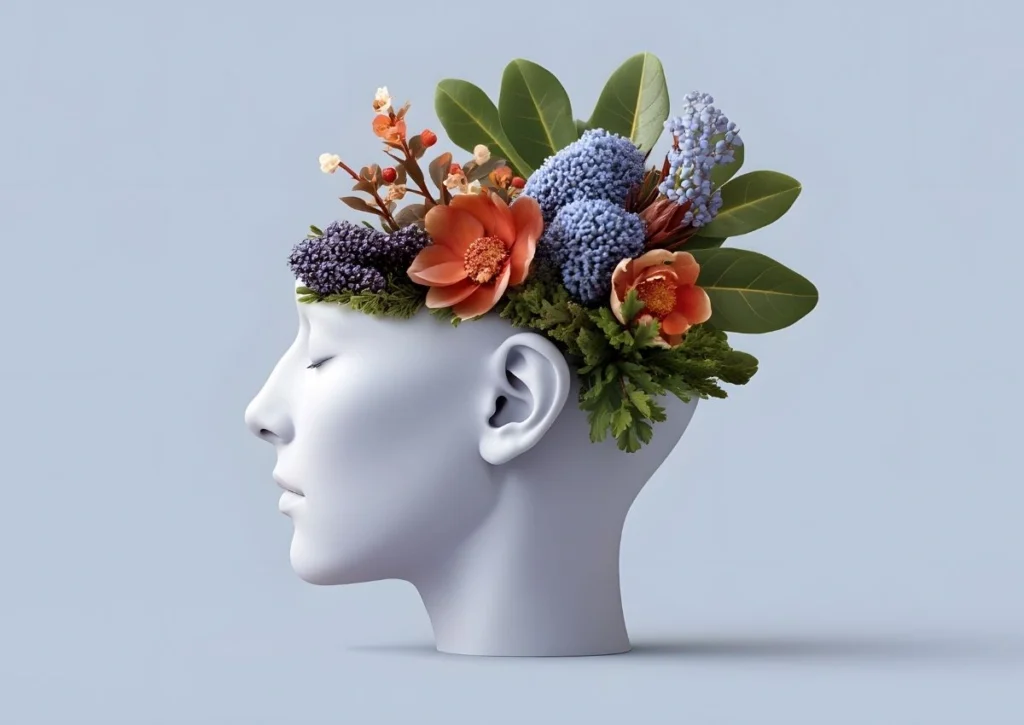
What and why does self-care matter for mental health?
Self-care is the conscious action we take in our well-being—physical, emotional, and mental—in maintaining and improving it. It incorporates all the basic needs, including sleep and nutrition, as well as the deeper ones, like boundary setting and emotional regulation.
The most important self-care is the one based on purposeful action, including volunteering, expression, and mindfulness—all activities that make the body and the mind nourished.
Let’s explore the best self-care strategies that can make a real difference in your mental health.
Prioritize Quality Sleep
Which of the self-related practices of care do you like the most? Sleep. The first thing that we lose when time has no place in life is mental health; it simply cannot survive without a good sleep.
Without good sleep your mind will not reach its best. Sleep deprivation not only makes one feel sleepy but also interferes with the way your brain interprets emotions, in most cases resulting in anxiety, crankiness, and lack of concentration. Insomnia undermines memory, concentration, and emotional stability.
Before going to sleep, close your phone; the light blue light will not allow your brain to rest because it is still active. Maintain regular wakefulness; sleep even on weekends, and ensure that the environment is peaceful, cool, and quiet. Eat light or do not eat or drink alcohol before bed and exercise all day long to favor your body rhythm. Unless you get enough restful nights, enlist the assistance of an expert on sleeping issues.
2. Exercise as Medicine for the Mind
Physical activity is among the strongest tools to cope with mental health, and the best fact is that it does not necessarily imply heavy workouts and gym subscriptions. Any body motion that is pleasant to you is good.
Exercise is a secret of endorphins, the natural mood elevators of your body. Workout also enhances attention, betters the quality of sleep and the level of energy, and can substantially decrease/alleviate the symptoms of depressive and anxiety states. Research indicates that exercise can reduce the risk of developing chronic health conditions and even decrease the possibility of dying of acute diseases.
It does not need to take more activity to get you to the gym. Begin with little things, like parking a bit further, using the stairs, or walking whilst talking on the phone. Do what you really like, such as dancing, gardening, swimming, or hiking; it is easier to have joy in your consistency.
Do yoga—it enhances your flexibility, posture, and bone density besides relaxing your mind by breathing consciously.
Despite the lack of mobility, there are the less difficult ones, such as chair yoga or exercises on resistance bands, which can yield significant improvements. The goal is approximately 150 minutes of moderate activity per week, although you always have to keep in mind that every movement counts.
3. Nourish Your Body With Mindful Eating
What you eat influences your mind, though it is also significant in what you eat and how you eat it. It is healthy to listen to your body and to eat out of need, out of intuition of what you actually need in both body and soul.
The research shows that stress levels are related to high-intensity diets of ultra-processed food products and added sugar. Instead, one should resort to whole food meals, which are rich in nutrients, as they will supply magnesium and B vitamins introduced into the body to regulate stress and mood.
Making the Intuitive Eating
Listen to your body. When hungry, eat, and when full, take a break. It is not a matter of regulations and limitations.
Focus on whole foods. Vegetables, fruits, beans, fish, nuts, and seeds should be at the top of your list. It is food that gives your body and brain food.
Reject diet culture. Food is not described as being good or bad in intuitive eating. It makes you friendly and caring towards your own body in the manner in which you nourish it.
Studies have shown that intuitive eating can add much to how one perceives him- or herself in terms of body image and self-esteem.
4. Set Boundaries and Learn to Say No
Every now and then all you need is to say no to everyone and yes to yourself so as to safeguard your mental health. Frontiers are not egoistic; they are the counterpart of a sustainable well-being.
Making a good decision on what you will commit yourself to can assist in reducing the stress and saving on energy on what matters. The other healthy practice of self-care is setting boundaries, especially with those people that drain you.
How to Get Healthy?
Start small. Request that family not visit randomly, or take social invites when you are feeling overwhelmed.
Be direct and kind. You do not have to elaborate on reasons. I need some rest is a sentence in itself.
Minimize interactions with energy vampires. In case a person always makes you feel tired or stressed, there is nothing wrong with seeing that person less often.
Prioritize your needs. It is important to remember that when you take care of yourself, you can take care of other people.
5. Connect With Nature— Try Forest Bathing
The Japanese shinrin-yoku, or forest bathing, is a way of walking around and being conscious of what is around you. The effects of this practice are amazing in terms of mental health. Know the science behind nature therapy.
Forest bathing has been evidenced to:
- Breathe in more oxygen to your brain.
- Minimize cortisol (stress hormone) levels.
- Reduce depression symptoms tremendously.
- Improve general awareness and being in the present.
A strong study established that depressed individuals who underwent forest therapy had 17 times higher chances of remission than those treated with conventional treatment. That is a strong belief in the curative power of nature.
How to Practice Forest Bathing?
It does not have to be a thick forest; a green area with trees suffices. Just take everything at a slow pace, breathe in, breathe out, and use all the senses. Be aware of colors, textures, sounds, and smells. Switch off your phone or leave it. It aims at total immersion into the natural world.
6. Practice Daily Rituals
Self-care does not have to be a fancy or time-consuming process, but all that counts is consistency. Resilience can be developed even through five minutes of deliberate practice a day. Plant self-care just like any other activity you need to carry out, and make it a part of your routine.
Create a buffer between commitments to eliminate stress and live in the moment. Research indicates that even brief, intentional pauses have the potential to reduce the level of cortisol, stabilize the heartbeat, and provide the dopamine rush associated with meaningful achievement.
7. Regulate the use of Caffeine.
Caffeine makes most people alert but when taken in excess, especially beyond 400 milligrams a day, it increases anxiety and stress. Monitor the effect of caffeine on moods, focus and sleep. When necessary, lessen the consumption in small steps, such as using smaller portions, weaker brew, or more light options such as tea.
Timing is an issue as well; do not take caffeine in the afternoon and evening and risk the quality of sleep. You do not have to give up completely but you must just determine an appropriate balance that should give energy and at the same time not disrupt tranquility.
8. Develop an Enthusiastic Attitude
Conversation with yourself defines your psychological health. Positive self-talk is an awareness of the negative thoughts, questioning them, and substituting them with kind and realistic statements. Talk to yourself just as much as you would a friend. The practice has been found to boost confidence, emotional control, and general resilience.
Also check:- Small Steps, Big Impact: Daily Habits for Lasting Health
Final thoughts
Self-care is not a luxury but a requirement to stay balanced and strong in the world today, which is quite demanding. It involves making conscious efforts to take care of your physical, mental and emotional health.
Some of the most important self-care activities are sleeping well since it helps to regain focus and emotional equilibrium, engaging in physical exercises regularly to improve mood and energy levels, and having healthy food habits to sustain a healthy body and mind.
Boundaries are also a good way of defending your peace and time in nature can go a long way in relieving stress and improving mood. Basic everyday practices, such as brief pauses or meditation, could reduce the level of stress hormones and make people calmer.
Regulated consumption of caffeine helps one to sleep well and decrease anxiety, whereas practicing positive self-talk gives one the confidence and strength of emotions. Finally, regular micro measures, instead of complex strategies, lead to long-term mental health and stability.
Exercise regularly, practice mindfulness, maintain a balanced diet, get enough sleep, stay organized, take breaks, connect with loved ones, limit caffeine, set realistic goals, pursue hobbies, practice deep breathing, and seek professional help when stress feels overwhelming.
The 5 C’s of self-care are Consistency, maintaining regular habits; Compassion, being kind to yourself; Connection, nurturing relationships; Creativity, expressing yourself freely; and Clarity, understanding your needs and boundaries to sustain emotional, mental, and physical well-being.